

How Pro AV Solutions Transform the Way People Connect, Collaborate, and Communicate
Digital Signage | Pro AV | Video Conferencing | Visual Displays
Modern spaces need to do more than look impressive. They need to help people communicate clearly, share information quickly, collaborate naturally, and stay engaged.
Professional audiovisual technology, commonly known as Pro AV, brings displays, audio systems, video conferencing tools, digital signage, control systems, and other technologies together into one connected experience. When these components are thoughtfully designed and professionally integrated, almost any environment can become more functional, engaging, and adaptable.
From boardrooms and classrooms to gymnasiums and outdoor gathering spaces, the right Pro AV solution can change how people experience a room.
What Is a Pro AV Solution?
A Pro AV solution is a professionally designed system that combines audio, video, display, collaboration, and control technologies to support the specific needs of a space.
Unlike a collection of standalone devices, an integrated Pro AV system is planned around how people will actually use the environment. That may include:
- Presenting information to an audience
- Hosting virtual or hybrid meetings
- Sharing content across multiple displays
- Improving speech and sound clarity
- Delivering digital signage and announcements
- Supporting interactive learning
- Creating engaging visitor or customer experiences
The goal is not simply to add more technology. It is to make the technology easier to use and more effective.
Where Can Pro AV Technology Be Used?
Pro AV systems can be customized for nearly any commercial, educational, healthcare, or public-facing environment.
1. Boardrooms and Meeting Spaces
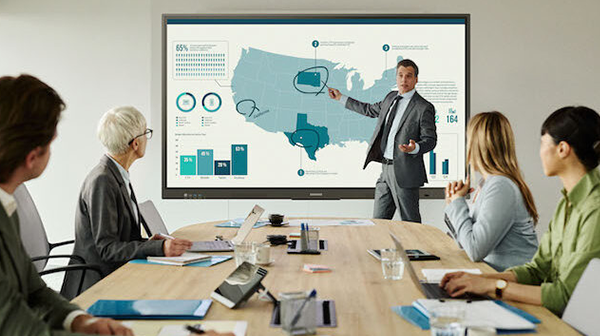
Modern boardrooms need to support more than presentations. They must make it easy for people in the room and participants joining remotely to communicate, share content, and contribute to the conversation.
A professionally integrated boardroom may include video conferencing cameras, microphones, speakers, presentation displays, wireless screen sharing, room scheduling tools, and centralized controls. These components work together to create a more consistent meeting experience and reduce time spent troubleshooting connections, cables, or audio issues.
Proper camera positioning and microphone coverage can also help remote attendees feel more involved. Instead of struggling to hear the room or see who is speaking, participants can follow the discussion more naturally. This is especially important for organizations that regularly host hybrid meetings, client presentations, executive briefings, or training sessions.
An effective boardroom solution should be intuitive enough for employees and guests to use with minimal assistance. The goal is to let people enter the room, connect quickly, and focus on the meeting rather than the technology.
2. Classrooms and Training Rooms
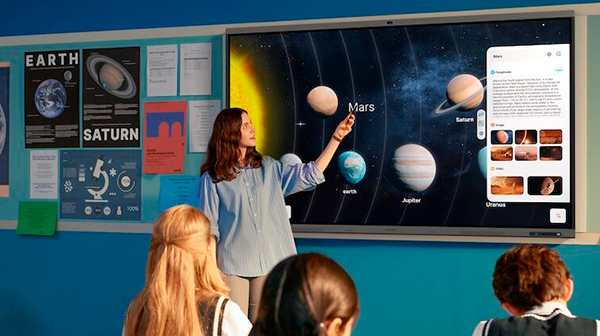
Classrooms and training spaces require technology that helps instructors communicate clearly while keeping participants engaged.
Interactive displays, projectors, document cameras, microphones, speakers, wireless presentation tools, and video conferencing systems can give educators and trainers more ways to present information. Participants may be able to annotate content, share their own screens, collaborate on exercises, or join lessons from another location.
Audio quality is particularly important in larger rooms. A well-designed sound system helps ensure that instructions, questions, videos, and presentations can be heard throughout the space without excessive volume or distracting feedback.
Pro AV solutions can also support flexible learning models. A room may be used for an in-person class in the morning, a virtual training session in the afternoon, and a collaborative workshop later in the day. Integrated technology makes it easier to transition between those uses while maintaining a consistent experience.
The best classroom AV systems support the lesson without becoming the focus of it. Technology should feel like a natural extension of the instructor’s teaching style and the participants’ learning experience.
3. Gymnasiums and Multipurpose Spaces
Gymnasiums, auditoriums, cafeterias, community rooms, and other multipurpose spaces often need to serve many different functions.
A gymnasium may host sporting events, assemblies, award ceremonies, graduations, performances, presentations, and emergency announcements. Each use may require a different combination of audio, video, lighting, displays, microphones, and system controls.
Because these spaces are typically large and acoustically challenging, equipment cannot simply be added without a plan. Sound must be distributed evenly, displays must remain visible from different seating areas, and controls must be simple enough for staff members to operate during different types of events.
A customized Pro AV system can include zoned speakers, scoreboards, large-format displays, projection systems, wireless microphones, portable input options, and control interfaces that allow users to adjust the environment based on the event.
Thoughtful integration can make the space more versatile while reducing the need to rent temporary equipment or rebuild the setup for every program.
4. Indoor Communications
Pro AV technology can improve communication throughout offices, schools, healthcare facilities, retail environments, hospitality spaces, and other indoor locations.
Digital signage displays can be used for welcome messages, schedules, company announcements, emergency notifications, promotions, menus, wayfinding, and real-time updates. Content can be managed digitally and changed more quickly than traditional printed signage, helping organizations keep information timely and relevant.
These systems can be especially useful in facilities with multiple entrances, departments, floors, or buildings. Displays can show different messages based on their location while still being managed through a centralized platform.
Beyond signage, indoor Pro AV solutions may include lobby video walls, employee communication screens, customer-facing displays, paging systems, background audio, presentation areas, and interactive kiosks. Together, these technologies can help create a more connected and professional environment.
A well-planned indoor system considers screen placement, viewing distance, lighting, traffic flow, accessibility, and the type of information being displayed. This helps ensure that the technology attracts attention without overwhelming the space.
5. Outdoor Environments
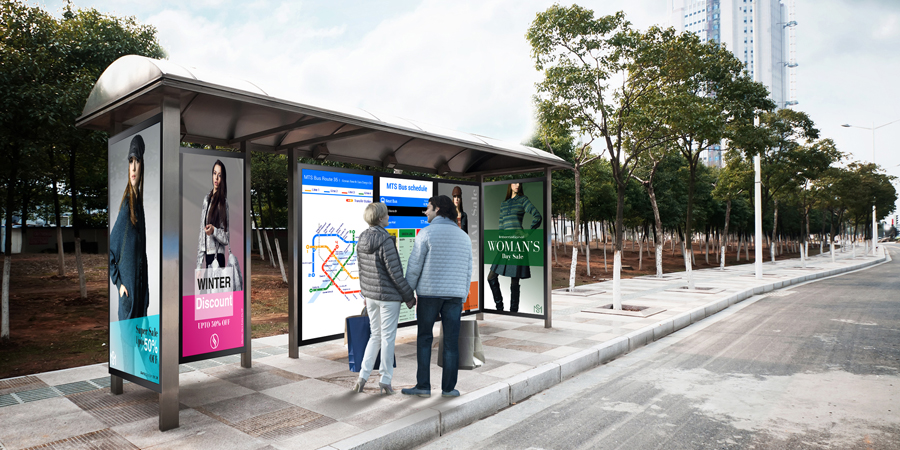
Outdoor audiovisual systems allow organizations to communicate, entertain, and share information beyond the walls of a building.
Common applications include school campuses, courtyards, stadiums, athletic fields, transportation areas, hospitality venues, outdoor event spaces, and public gathering areas. These environments may use weather-resistant displays, speakers, digital signage, announcement systems, or large-format video solutions.
Outdoor installations require additional planning because the technology may be exposed to sunlight, rain, temperature changes, dust, moisture, and other environmental conditions. Displays need appropriate brightness and protection, while audio systems must provide clear coverage without creating unnecessary noise for nearby areas.
The physical placement of equipment also matters. A system should account for viewing angles, audience movement, surrounding structures, power access, network connectivity, and long-term maintenance.
When properly designed, outdoor Pro AV technology can support events, improve safety communication, promote services, direct visitors, and create a more engaging experience across a campus or facility.
What Makes a Pro AV System Effective?
The quality of the individual equipment matters, but the way the entire solution is planned, integrated, and supported is just as important. An effective Pro AV system brings displays, audio, control technology, connectivity, and collaboration tools together into one seamless experience.
Every component should be selected with the space, users, and intended application in mind. When the system is designed around how people actually communicate and work, the technology becomes easier to use, more reliable, and better equipped to support changing needs over time.
-
A Design Built Around the Space
Every environment has different dimensions, acoustics, lighting conditions, infrastructure, audiences, and objectives. A customized design considers those factors before equipment is selected. This helps organizations avoid paying for unnecessary features or installing technology that does not fit the way the room will be used. The best solution is not necessarily the largest or most complex one. It is the one that supports the organization’s goals, space, and budget.
-
Professional Integration
Even high-quality technology can create frustration when components do not communicate properly. Professional integration brings displays, cameras, microphones, speakers, conferencing platforms, networks, and control systems together. It also accounts for mounting, cabling, signal distribution, programming, testing, and user experience. The result should feel intuitive. Users should be able to enter the room, start the system, and focus on the meeting, class, presentation, or event.
-
Reliable Technology
Commercial environments require technology that can support frequent use. Professional-grade hardware is designed for the demands of business, education, healthcare, hospitality, and other organizational settings. Selecting reliable equipment from established technology manufacturers can improve performance, consistency, and long-term value. It also gives organizations greater confidence that their system can grow alongside their needs.
-
Responsive Local Support
A Pro AV project does not end when the equipment is installed. Ongoing support can help organizations troubleshoot issues, maintain system performance, plan upgrades, and adjust technology as their needs change. Working with an experienced local partner also gives teams a nearby resource that understands their environment and the original system design. That continuity can be especially valuable when multiple technologies, rooms, or locations are involved.
What Are the Benefits of an Integrated Pro AV Solution?
A thoughtfully designed Pro AV environment can provide several practical benefits:
- More productive collaboration: Teams can share content, communicate with remote participants, and move through meetings more efficiently.
- Clearer communication: Properly selected microphones, speakers, displays, and signage help information reach the intended audience.
- A better user experience: Intuitive controls and connected technologies reduce confusion and minimize unnecessary setup.
- Greater flexibility: Multipurpose spaces can support different meetings, events, lessons, and presentations.
- A more professional environment: High-quality audiovisual experiences can strengthen how employees, clients, students, and visitors perceive an organization.
- Room to grow: Scalable systems can make it easier to add capabilities or update technology over time.
Why Work With a Single Pro AV Partner?

Pro AV projects often involve many interconnected decisions, from initial design and equipment selection to installation, programming, training, and support.
Working with one experienced partner creates a more coordinated process. Instead of managing separate vendors for different components, organizations can rely on one team to understand the full environment and oversee the solution from start to finish.
LDI Connect designs and integrates Pro AV solutions around each organization’s space, objectives, and budget. Through technology from industry-leading partners and responsive local support, we help create environments where people can communicate, collaborate, learn, and engage more effectively.
Frequently Asked Questions About Pro AV
Pro AV systems bring audio, video, displays, control technology, and collaboration tools together to create more connected and effective spaces. The answers below cover common questions about how these systems work, where they can be used, and what to consider when planning the right solution.
What does Pro AV stand for?
- Pro AV stands for professional audiovisual. It refers to commercial-grade audio, video, display, conferencing, signage, and control technologies that are professionally designed and integrated for organizational environments.
What is included in a Pro AV system?
- A system may include displays, projectors, speakers, microphones, cameras, video conferencing equipment, digital signage, wireless presentation tools, room controls, and signal-distribution technology. The exact components depend on the space and its intended use.
Can Pro AV systems support hybrid meetings?
- Yes. Cameras, microphones, speakers, displays, and conferencing platforms can be integrated to help in-person and remote participants see, hear, and communicate with one another more effectively.
Are Pro AV solutions only for conference rooms?
- No. Pro AV technology can be used in classrooms, gymnasiums, auditoriums, healthcare facilities, retail environments, event spaces, outdoor areas, lobbies, training rooms, and many other locations.
Can an existing AV system be upgraded?
- In many cases, yes. An assessment can help determine which components can remain in place, which should be replaced, and how the system can be improved or expanded.
Transform Your Space With LDI Connect
The right audiovisual environment can make communication feel easier, collaboration more natural, and information more engaging.
From initial design through installation and ongoing support, LDI Connect provides customized Pro AV solutions backed by reliable technology and local expertise. To learn more, visit myLDI.com/solutions/pro-av